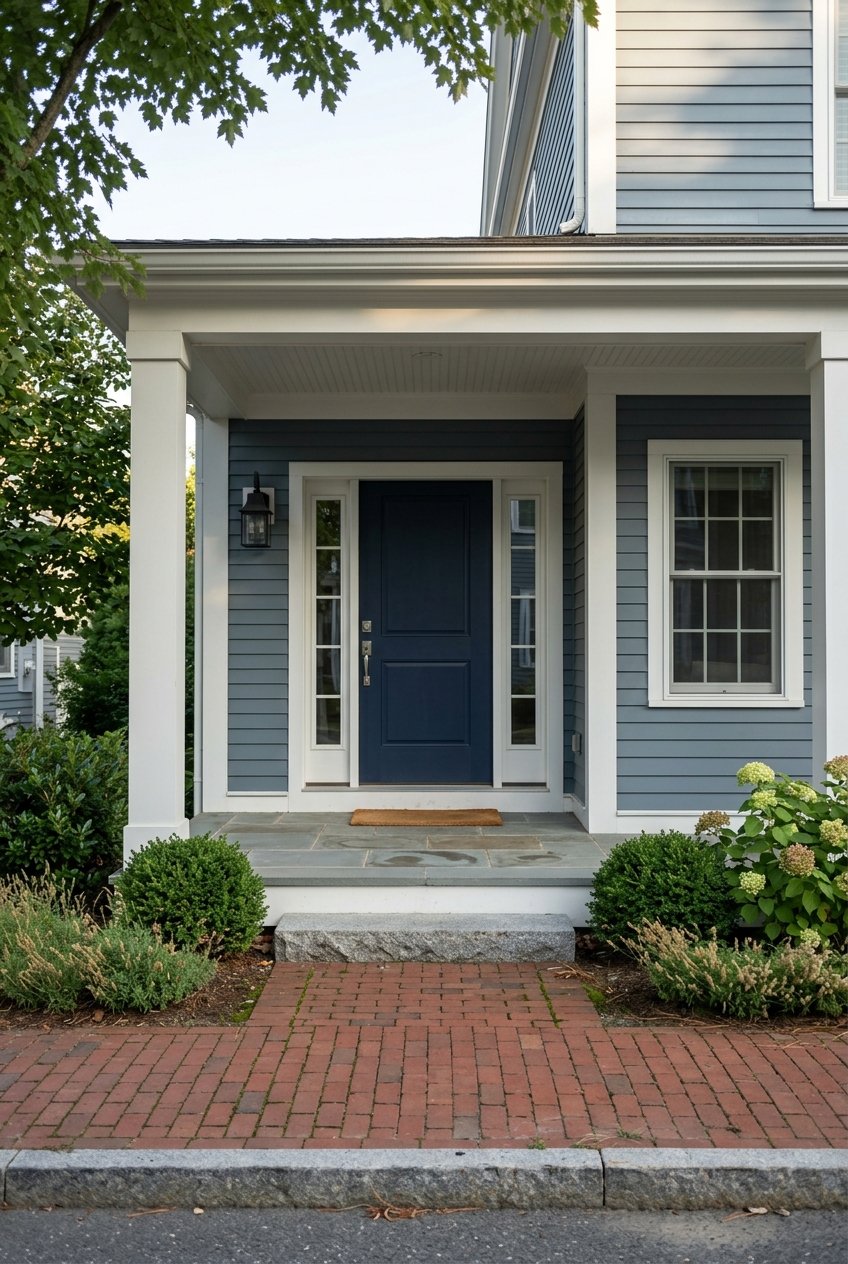
What It’s Like To Live In Waltham
June 25, 2026
June 25, 2026
Wondering whether Waltham gives you the convenience of a closer-in suburb, the energy of a real downtown, and the everyday livability you actually want? If you are comparing communities west of Boston, Waltham often stands out because it blends commuter access, riverfront recreation, local dining, and a strong employment base in one place. Here’s a practical look at what it’s like to live in Waltham and what you should know if you are thinking about making a move. Let’s dive in.
Waltham is in Middlesex County, about 10 miles west of Boston. The city reports just over 65,000 residents, and Census QuickFacts estimates the 2024 population at 65,849. That gives Waltham a size that feels established and active without feeling overwhelming.
The city describes Waltham as a diverse community with opportunities for living, education, work, and leisure. Census data also helps paint that picture, with 32.3% of residents age 5 and older speaking a language other than English at home. If you value a place with a mix of backgrounds, uses, and daily routines, Waltham has that feel.
One of the biggest things that sets Waltham apart is its downtown. Main Street and Moody Street serve as the heart of everyday activity, with walkable commercial blocks that include independent shops, restaurants, bars, and markets. They are also close to public transit and the Charles River Greenway, which adds to the area’s day-to-day convenience.
The city’s planning documents note that Main and Moody Streets anchor downtown with both daytime and nighttime foot traffic. Moody Street also includes markets and shops serving Indian, Latin American, and African communities. That creates a downtown environment that feels active, varied, and useful for more than just an occasional dinner out.
Seasonal outdoor dining and retail also add to the atmosphere. The city re-approved outdoor dining and retail on Moody Street from May 22, 2026 through September 7, 2026, while keeping access to side streets. In practical terms, that means you can expect a lively center with room for both pedestrians and drivers.
If you like the idea of being able to run errands, meet friends, grab dinner, or spend time outside without planning your whole day around a car trip, Waltham offers a lot of convenience. The downtown mix of shops, restaurants, markets, and municipal parking makes daily life more flexible. You can be on foot for some parts of your day and still have a workable setup if you drive.
That balance matters for busy households and relocating professionals. Some suburbs are mostly residential, while others lean heavily into office parks or strip retail. Waltham offers a more connected pattern, where commercial activity, transit, and recreation are part of the same local rhythm.
The Charles River is a major part of Waltham’s identity. The city says bike and walking paths cover most of the south bank and part of the north bank from Prospect Street to Moody Street. That gives residents a practical way to enjoy the water and green space as part of normal weekly life.
Massachusetts also describes the Upper Charles River Reservation as a 4-mile path along the river. For some people, that means a regular place to walk, run, or bike. For others, it is simply one more reason the city feels more layered and livable than a community with fewer outdoor options.
Waltham also highlights Prospect Hill Park as the third-highest point in the region, with views toward Boston. If you want access to scenic open space without leaving town, that is a meaningful plus. It adds a very different kind of experience from downtown streets and the Route 128 corridor.
Waltham is well connected, which is one reason it attracts a wide range of buyers. The city says the MBTA commuter rail has two stops in Waltham, and MBTA bus service also covers the city. Census QuickFacts reports an average commute of 24.7 minutes.
That accessibility helps if you work in Boston, Cambridge, or elsewhere in the region. It also matters if you want options, since not every household follows the same daily schedule or commute pattern. Having rail, bus, road access, and a usable downtown can make a big difference in how flexible your week feels.
What is especially notable, though, is that Waltham is not only a commuter location. The city’s draft 2026 to 2030 plan says the largest employment sectors are education and health care services and professional, scientific, and management industries, together accounting for 47% of workers. That tells you Waltham has a substantial job base of its own.
Waltham’s economy includes more than neighborhood retail. The city says the Route 128 corridor includes biotech labs, offices, hotels, restaurants, manufacturing centers, and mixed-use development. That creates a broader economic base than you find in places that function mostly as bedroom communities.
Bentley University and Brandeis University are also central to Waltham’s identity and employment base. Their presence adds institutional stability and helps shape the city’s mix of residents, workers, and visitors. For you as a buyer, that can translate into a place that feels active throughout the day, not just in the evening.
This is one reason many people experience Waltham as more self-contained than other suburbs. You can live there, work there, dine there, and spend free time there, all without feeling like you need to leave town for everything important. That combination is a major part of Waltham’s appeal.
Waltham also has a strong cultural side. The Charles River Museum of Industry & Innovation is located at 154 Moody Street, the Rose Art Museum is on the Brandeis University campus at 415 South Street, and Gore Place is a 19th-century mansion-museum at 52 Gore Street with 50 acres of green space and a working farm.
These are not just nice extras on a brochure. They contribute to the feeling that Waltham has layers to it, with history, arts, and public programming woven into daily life. The city also has a Waltham Cultural Council that awards grants to artists, groups, and educational institutions for arts, humanities, and interpretive-science programming.
For residents, that often means more opportunities to engage locally. Whether you enjoy museums, public events, or historic places, Waltham offers more cultural depth than many people expect from a suburb.
If you are considering a move, it helps to understand the basics of Waltham’s housing profile. Census QuickFacts reports an owner-occupied housing rate of 49.7%, a median value of owner-occupied homes of $748,700, and a median gross rent of $2,268. Those numbers point to a mixed housing market with both owners and renters playing a significant role.
Waltham also reflects a relatively affluent local economy. Median household income is $120,216, and 57.3% of adults age 25 and older have a bachelor’s degree or higher. For buyers looking in neighboring Middlesex County suburbs, that can signal a market with strong professional demand and broad long-term appeal.
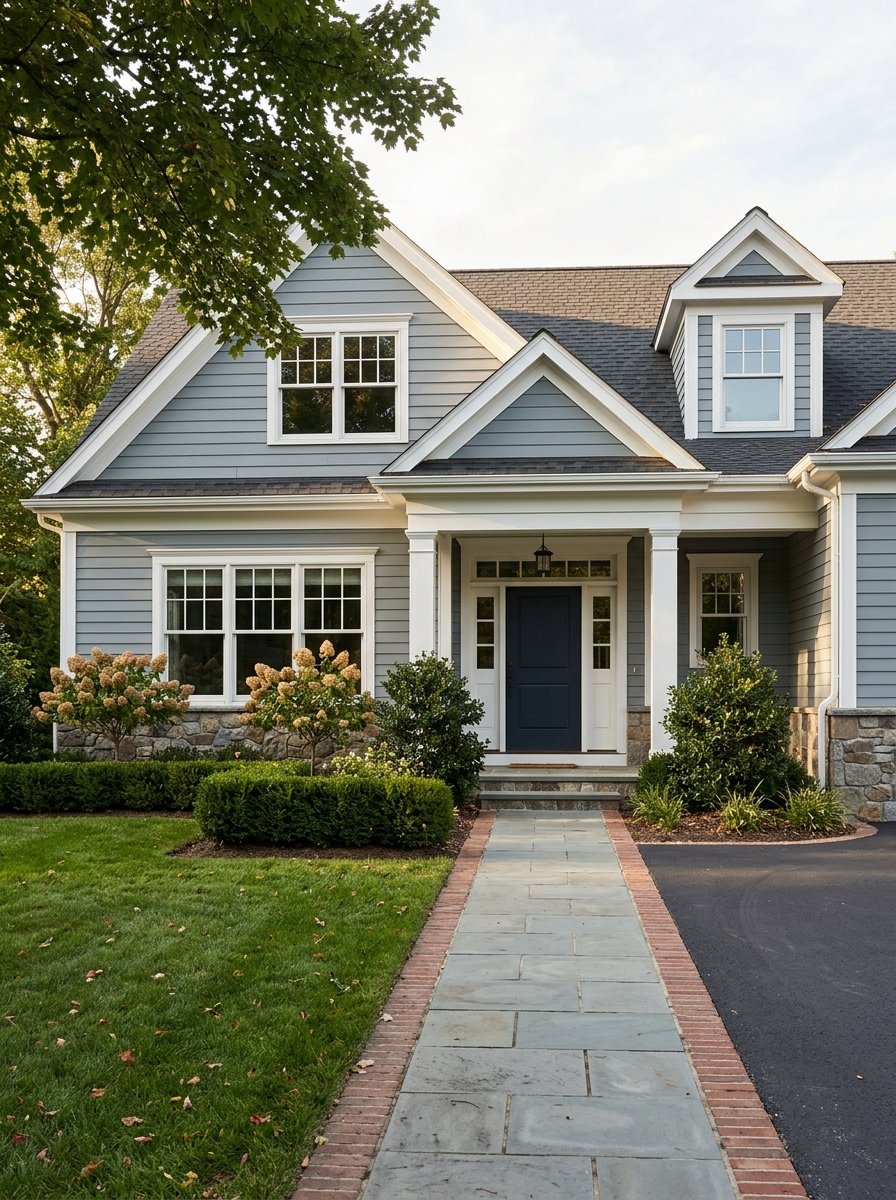
If you are searching for a single-family home, Waltham can be especially appealing because it offers access to downtown activity and transit while still being part of the suburban fabric many buyers want. For sellers, that same combination can help support interest from both local move-up buyers and relocation-minded purchasers.
Waltham can make sense for several types of buyers. If you want a suburb with more energy and convenience than a purely residential town, it checks that box. If you value commuter rail access, riverfront recreation, and an active downtown, it is easy to see the appeal.
It can also be a strong fit if you are relocating and want a community that feels easier to learn quickly. Main activity centers like Moody Street and Main Street give you clear places to start, while the city’s transit, employers, and public amenities help you settle into a routine faster.
For homeowners thinking long term, Waltham’s mix is often the key draw. It combines residential living with jobs, culture, dining, and outdoor access in a way that feels more complete than many surrounding suburbs.
Waltham stands out because it combines a true downtown, Charles River recreation, commuter rail access, and a meaningful employment base in one city. Compared with many Route 128 suburbs, it feels more urbanized and more self-contained, while still offering the advantages that draw people to suburban living.
If you are trying to decide whether Waltham fits your lifestyle, the answer often comes down to this: do you want convenience, activity, and variety without giving up neighborhood scale? For many buyers and sellers, that balance is exactly what makes Waltham worth a closer look.
If you are considering buying or selling a home in Waltham, Suzie Winchester can help you evaluate the market, understand your options, and make a confident move.
Stay up to date on the latest real estate trends.
Get assistance in determining current property value, crafting a competitive offer, writing and negotiating a contract, and much more. Contact me today.