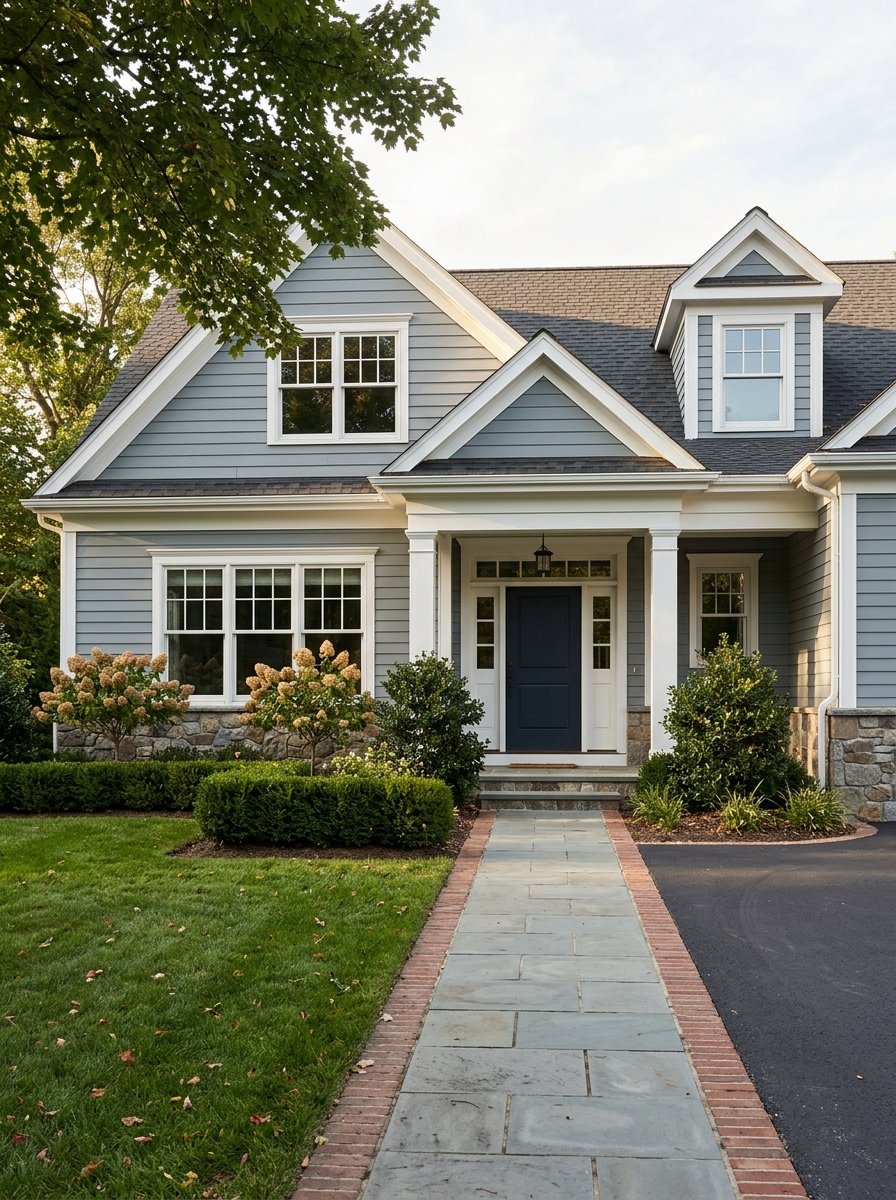
How to Write Competitive Offers for Waltham Homes
April 23, 2026
April 23, 2026
If you are house hunting in Waltham, you have probably realized one thing fast: a winning offer is about much more than price. In a market where homes can draw multiple offers and sell quickly, you need a strategy that shows sellers you are serious, prepared, and realistic. The good news is that you do not have to give up smart protections to compete well. Let’s dive in.
Waltham remains a competitive market, and recent numbers help explain why. According to Redfin’s Waltham housing market data, homes receive about 2 offers on average, sell in around 34 days, and had a median sale price of $840,000 in March 2026.
A broader year-to-date view points in the same direction. The Massachusetts Association of REALTORS® data cited in the research shows Waltham single-family homes with a $900,000 median sales price, 31 cumulative days on market, 0.9 months of inventory, and 101.3% of original list price received. Condo activity looks a little different, which is a helpful reminder that single-family homes and condos do not always behave the same way in Waltham.
Waltham’s location also supports demand. The city sits about 10 miles west of Boston, offers two MBTA commuter rail stops and bus service, and has a Route 128 corridor with offices, hotels, biotech labs, and mixed-use development, according to the City of Waltham’s resident information page. For many buyers, that combination of access and employment makes Waltham worth moving quickly for.
One of the clearest ways to improve your offer is to show that your financing is ready to go. A seller wants confidence that your deal can make it to the closing table without avoidable surprises.
A preapproval carries more weight than a prequalification. The Consumer Financial Protection Bureau explains that a preapproval means a lender is tentatively willing to lend up to a set amount, even though it is not a guaranteed loan.
That matters because many sellers want to see a preapproval letter before accepting an offer. If you are actively searching, make sure your letter is current, since preapprovals often expire in 30 to 60 days.
Your down payment is only part of the picture. The CFPB notes in its homebuying readiness guidance that buyers should prepare for closing costs, moving costs, repairs, improvements, and other upfront expenses.
In practice, a strong Waltham offer often looks better when you can show not just the funds for your down payment, but also the ability to cover your total cash-to-close and still keep reserves. That gives sellers more confidence that your financing will stay on track.
Earnest money can also help signal commitment. The CFPB defines earnest money as a deposit paid in good faith after a contract is signed, and it may later be applied to your closing costs or down payment, as described in its mortgage key terms glossary.
In a competitive setting, sellers often compare earnest money alongside price, contingencies, and timing. A solid deposit will not fix a weak offer, but it can strengthen a well-structured one.
Price gets attention, but terms often decide which buyer wins. In multiple-offer situations, sellers tend to favor the offer that feels clear, organized, and likely to close.
The National Association of REALTORS® notes in its guide to navigating multiple offers that price is only one factor. Sellers may also care about contingencies, earnest money, and the closing timeline.
That means you should avoid choosing dates randomly. If the seller needs a quick close, a slow financing timeline may hurt you. If the seller needs more time, offering flexibility may make your offer more attractive even if another buyer comes in at a similar number.
A clean offer package can make a real difference. Missing signatures, vague deadlines, or outdated financial documents create doubt, and doubt is not your friend in a competitive market.
Before you submit, make sure your preapproval, deposit amount, timing, and contingency terms are all clearly written. In a fast-moving Waltham transaction, small details can carry a lot of weight.
Many buyers assume the only way to win is to strip away protections. In Massachusetts, that is not the right takeaway.
Massachusetts implemented a 2025 policy for sales after October 15, 2025, that prevents sellers or their agents from conditioning a sale on a buyer waiving an inspection, according to the state’s homebuyer inspection rights announcement. Buyers can still choose how to structure inspection terms, but the market has shifted away from treating waiver as the default pressure point.
For you, the practical lesson is simple: keep appropriate protection where you need it, and make the terms as focused and clean as possible. You do not need to look reckless to look competitive.
The same Massachusetts policy allows reasonable negotiated terms, including repair-cost thresholds or return of deposit. That gives buyers room to stay protected while still presenting an offer that feels workable to a seller.
This is often the smarter path in Waltham. Rather than eliminating every safeguard, you can work toward terms that reduce friction while preserving your ability to respond if a major issue appears.
The CFPB’s inspection guidance makes an important point: a home inspection and an appraisal are not the same thing. An inspection looks at the condition of the home, while an appraisal is an independent opinion of value for the lender.
That distinction matters because either one can affect your transaction. If serious repair issues come up, the lender may require repairs before closing or a related escrow arrangement after closing.
If you are offering aggressively, you also need a plan for what happens if the home does not appraise at the contract price. This is one of the biggest pressure points in competitive markets.
The CFPB explains in its guidance on appraisals and value that buying a home for more than the appraised value can be very risky. If the appraisal comes in low, the buyer may need to renegotiate with the seller or reconsider moving forward.
A low appraisal does not always kill the deal, but it should never be treated casually. Before you make an aggressive offer, know your upper limit and decide in advance how much appraisal risk you can actually absorb.
An escalation clause can help in a multiple-offer scenario, but it is not always the right move. NAR explains that buyers may use escalation language, subject to applicable law, to automatically outbid a competing offer by a set amount up to a maximum price, as outlined in its multiple-offer consumer guide.
This tool can be useful if you want to stay competitive without jumping straight to your highest number. At the same time, it only works well if your ceiling is firmly grounded in your budget, the property, and your comfort with appraisal risk.
In other words, an escalation clause is a tactic, not a shortcut. It should support a thoughtful strategy, not replace one.
In Massachusetts, real estate attorneys are a regular part of the transaction process. The state’s overview of the homebuying process in Massachusetts notes that accepted offers move toward a purchase-and-sale agreement, and attorneys commonly help guide that next stage.
That is why your best offer is usually a team effort. When your agent, lender, and attorney are aligned before you submit, you can move faster, write cleaner terms, and reduce the chance of confusion once the offer is accepted.
For buyers moving into Waltham from another area, this coordination matters even more. If you are relocating on a tight timeline, having experienced guidance can help you stay competitive without making rushed decisions.
In today’s market, a strong offer is usually a package of well-balanced choices. It is not just the highest number on paper.
A competitive offer in Waltham often includes:
That approach gives sellers what they want most: confidence. And it helps you move forward with a strategy that is competitive, informed, and aligned with your long-term goals.
If you are planning a move to Waltham, working with a seasoned local advisor can help you shape an offer that is strong without being careless. Suzie Winchester brings decades of local market experience and a calm, full-service approach that can help you compete with clarity and confidence.
Stay up to date on the latest real estate trends.

Get assistance in determining current property value, crafting a competitive offer, writing and negotiating a contract, and much more. Contact me today.