Best Lexington MA Neighborhoods for Growing Families
February 5, 2026
February 5, 2026
Thinking about putting down roots in Lexington but not sure which neighborhood fits your family’s routine? You are not alone. Between school assignment questions, commute options, and weekend activities, there is a lot to consider. This guide breaks down the everyday experience in Lexington’s core areas so you can picture life on the ground and compare it with other Greater Boston suburbs. Let’s dive in.
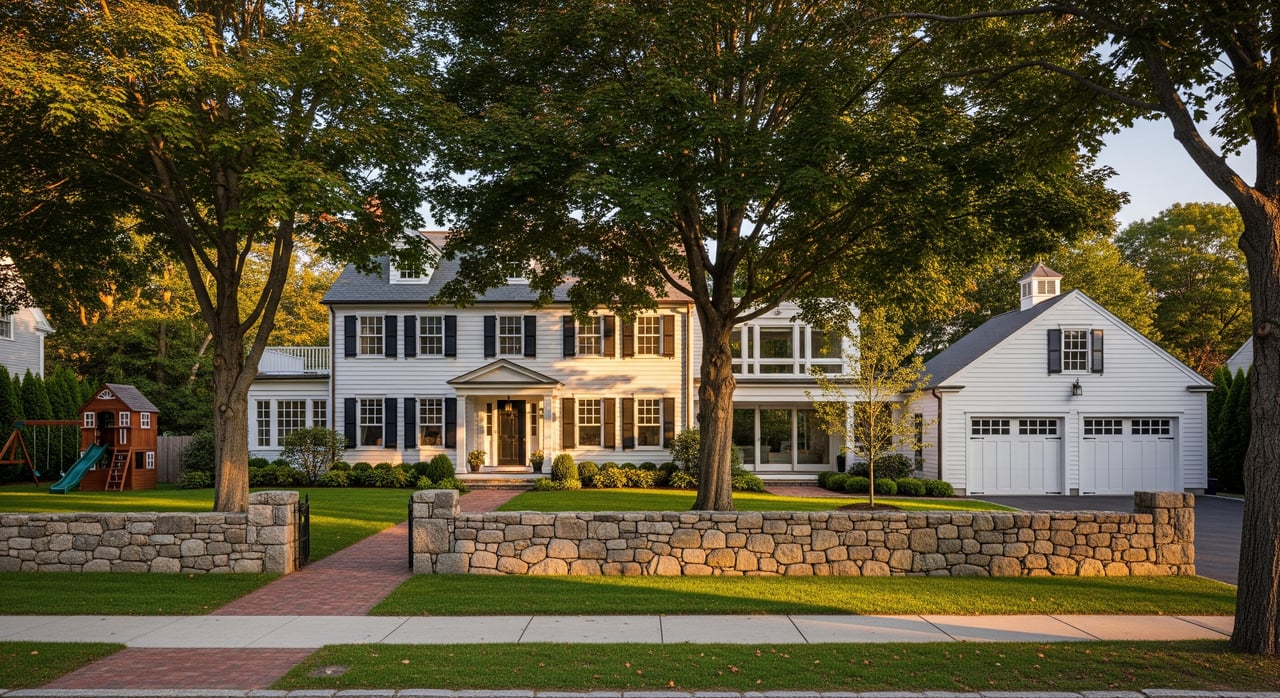
Lexington is a historic, primarily residential town north of Cambridge with a strong community identity. You will find established neighborhoods, substantial open space, and a town center that anchors events and services. Families often compare Lexington with places like Newton, Needham, Brookline, and Winchester because of public school reputation, suburban lots, and access to Cambridge and Boston.
If you want yard space, kid-friendly parks, and multiple ways to reach Cambridge or downtown, Lexington delivers a balanced suburban lifestyle with easy access to regional job centers.
Rather than tiny micro-neighborhood labels, it helps to think in four areas that locals recognize:
Each area offers a different mix of school proximity, parkland, housing styles, and commuting routes.
Living near the Center means short walks to restaurants, the public library, town government services, and seasonal community events. The Battle Green area serves as a civic heart, with family-friendly programming and visitor activity throughout the year. If you like a connected, small-town feel, this is a convenient base.
You are close to green spaces, playgrounds, and historic sites, plus easy access to the Minuteman Bikeway for biking, strollers, and scooters. Town recreation and library calendars offer frequent youth activities, especially in summer.
Lots are often smaller and streets more walkable. You trade larger yards for convenience and a more traditional village setting. Many homes are older and carry classic New England character alongside newer infill and renovations.
Driving access to Route 2 and I-95 is straightforward from central arteries. Expect typical peak-hour congestion toward Cambridge and Boston. Many residents drive or bike to Alewife to continue by Red Line.
West Lexington shines for access to the Minuteman Bikeway and nearby conservation areas. Families use the paved trail for school commutes, weekend rides, and trips to Alewife in Cambridge. Off-street routes make biking with older kids feel practical in good weather.
You will find a range of single-family homes, from mid-century houses to newer construction. Side streets feel residential, and many pockets have cul-de-sacs. If you value daily outdoor time, this area stands out.
The Bikeway can turn your commute into a bike-to-Red-Line routine. Drivers also reach Route 2 and I-95 without cutting through the Center. As always, plan for variability during peak travel times.
East and North Lexington offer larger lots and a more suburban feel with many cul-de-sacs and local playgrounds. These are classic “school neighborhoods” where day-to-day life centers on home, yard, and after-school activities.
Some streets are within walking distance to elementary schools, while others rely on car lines or bus pickup. Families often plan after-school routines around sports fields, music, and community programs nearby.
You have good access to Route 2 and surface roads into Arlington and Cambridge. Everyday errands are covered by town grocers, pharmacies, and nearby retail corridors.
Neighborhoods near the western and southern edges position you closer to I-95 and Route 3, plus larger shopping areas and services in adjacent towns. If you drive for work, the direct highway access can be a time saver.
You will see traditional single-family homes alongside some newer subdivisions and townhouse communities. If low-maintenance living appeals to you, these pockets are worth a look.
Proximity to major roads may bring more traffic at certain hours. Ask about local zoning and planned development if you are weighing long-term changes in traffic or school enrollment.
Lexington Public Schools serve the town, with Lexington High School as the district’s high school. The district organizes student assignment by elementary catchment areas that can change over time. Always confirm a property’s school assignment with the district or the Town’s GIS before you make an offer.
Use state education profiles for recent accountability and assessment data. Parent review sites can provide perspectives, but they are opinion based and vary by year. For advanced coursework, English Learner services, special education, after-school, and athletics, check current district program pages and fees.
Private and independent school options exist across Greater Boston, including Cambridge and Newton. If you are considering private school, contact each school directly for admissions timelines and program details.
For childcare and preschool, demand is strong. Start early with town family services and local providers to understand waitlists and seasonal program availability.
Lexington offers extensive conservation land, fields, and playgrounds for unstructured play. The Minuteman Bikeway links Lexington to Arlington, Cambridge, and Bedford for smooth, family-friendly rides. Historic sites around the Battle Green make for easy weekend outings and community events.
Town recreation typically runs pools, youth sports fields, lessons, and summer camps. Check operating hours, seasonal fees, and reservation systems when planning your calendar.
Common weekend rhythms include youth sports, library story times, farmers’ markets, and trail walks. It is easy to build a routine that balances activities with open space and history.
Housing in Lexington leans toward single-family homes on varied lot sizes, along with select condominium and townhouse communities. Many buyers weigh yard size, proximity to schools, and garage or parking when choosing between areas.
Lexington is a higher-cost suburb in the Boston metro. For current median sale prices, inventory, and time on market, rely on recent MLS or reputable market reports. Property taxes support local services and schools; use the current town tax rate to estimate your annual bill for any home you are considering. Townhouse communities may include monthly HOA fees, so factor those into your budget.
For healthcare, you will find pediatricians and family care providers in and near Lexington, with larger hospital systems in Cambridge and Burlington. Confirm clinic hours and hospital affiliations when you set up care.
Use this quick framework as you tour neighborhoods:
Choosing a Lexington neighborhood is easier when you have a guide who knows the streets, school catchments, and day-to-day routines that matter for families. If you want hands-on help comparing areas, planning drive times, or lining up a smooth relocation, reach out to Suzie Winchester. With decades of local experience and full-service support, you can move forward with confidence.
Ready to explore? Contact Suzie Winchester for a personal neighborhood consultation.
Stay up to date on the latest real estate trends.


Get assistance in determining current property value, crafting a competitive offer, writing and negotiating a contract, and much more. Contact me today.