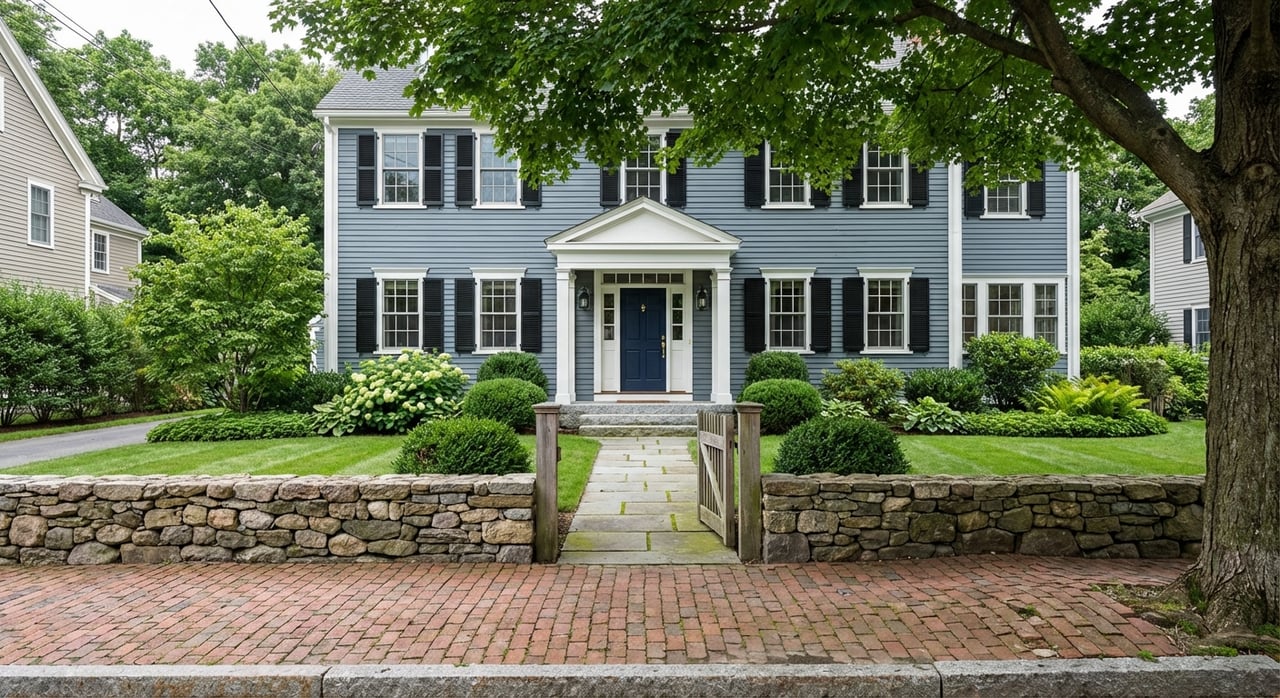
Concord MA Lifestyle Guide to Everyday Village Living
February 19, 2026
February 19, 2026
What does an ordinary Tuesday look like in Concord? Maybe a coffee and a quick errand in West Concord, a library stop after school, then a sunset loop on the river. If you’re weighing a move, you want to know how your days will actually feel, not just where the landmarks are. In this guide, you’ll get a clear picture of Concord’s village rhythm, outdoor access, schools, and commuting basics so you can imagine your life here. Let’s dive in.
Concord is a historic Middlesex County town of about 18,000 residents, with a mix of families and older adults that keeps daily life active and welcoming. According to the U.S. Census, the 2024 estimate is 18,092 residents, with roughly a quarter under 18 and a notable 65-plus population. These patterns shape a town where school calendars, community classes, and outdoor routines matter. You’ll find a steady pace during the week and a livelier feel on weekends and around seasonal events.
Concord Center is the classic New England main street around Monument Square. You can run short errands, meet a friend for lunch, and step into historic spaces within a few blocks. The center is home to independent shops and cultural institutions that host rotating exhibits and family programs, keeping the area busy after school and on weekends. In practice, that means you can park once, check off your list, and enjoy an easy stroll between stops.
West Concord, known locally as the Junction, centers on the commuter-rail stop and a cluster of walkable blocks. The village blends bakeries, cafes, specialty markets, galleries, and practical services, so you can grab groceries, meet for coffee, and pick up dinner without getting back in the car. It is recognized as a cultural district and has an everyday, lived-in feel that many residents love. For a quick overview of the area’s flavor and businesses, browse the West Concord page on the local visitor site at Visit Concord.
The Concord Free Public Library and its Fowler Branch in West Concord anchor weekly routines with children’s storytimes, adult classes, and seasonal programs. The grounds and meeting rooms often host clubs, workshops, and outdoor gatherings, which makes the library a true community hub. Check the library’s pages for a sense of ongoing programs and history at the Concord Free Public Library.
Concord’s everyday life leans outdoors, thanks to a web of parks, rivers, and trails that suit quick outings or full afternoons.
Walden Pond State Reservation offers swimming, lakeside walks, interpretive trails, and a visitor center. It is popular year-round and can reach capacity in summer, when parking rules and closures are in effect. Before you go, review current guidance from Massachusetts DCR’s Walden Pond page.
Trails, ranger programs, and the Old North Bridge draw regular walkers and history lovers. Each April, Patriots’ Day commemorations bring large crowds and temporary road or parking changes near Concord Center and the bridge area. For visitor resources and event updates, visit Minute Man National Historical Park.
The Great Meadows National Wildlife Refuge, Concord Unit, features wetlands, boardwalks, an observation tower, and easy nature loops. It is also a well-known spot for birding and quiet paddles on the river corridor. Get visitor details and seasonal tips from the U.S. Fish & Wildlife Service.
The Reformatory Branch Rail Trail links Concord with Bedford on a mostly dirt path used for walking, family rides, and gravel biking. It connects to a larger regional trail network, which expands your car-light options for errands and exercise. Read about the route and context from Freedom’s Way.
Many family schedules key off the public schools. Concord’s elementary schools include Alcott, Thoreau, and Willard. Middle school students attend Concord Middle School, and high schoolers go to Concord–Carlisle High School. District calendars and after-school programs help set the weekly rhythm; explore resources on the Concord–Carlisle Regional School District site.
If you commute to Boston, the Fitchburg Line serves both Concord and West Concord stations with trains to North Station. People often pair bike rides with the train for a smooth trip and simpler parking. Schedules, fares, and service updates change, so check the MBTA Fitchburg Line page as you plan. By car, Route 2 connects you to I‑95/128 and regional hubs, with travel times that vary by time of day.
Concord experiences predictable swings in visitor volume. In April, Patriots’ Day activities at Minute Man National Historical Park bring ceremonial events and detours near the Old North Bridge and town center. In summer, Walden Pond manages capacity, which can lead to temporary parking closures on busy days. These patterns are easy to plan around once you know the calendar.
Day to day, you’ll likely split your errands between West Concord’s specialty markets and the broader Concord, Acton, and Bedford trade area. The villages also host cafes, bakeries, and locally sourced dining that fit after-school meetups and low-key nights out. Independent shops and services are part of the appeal, so you can get a lot done without leaving town.
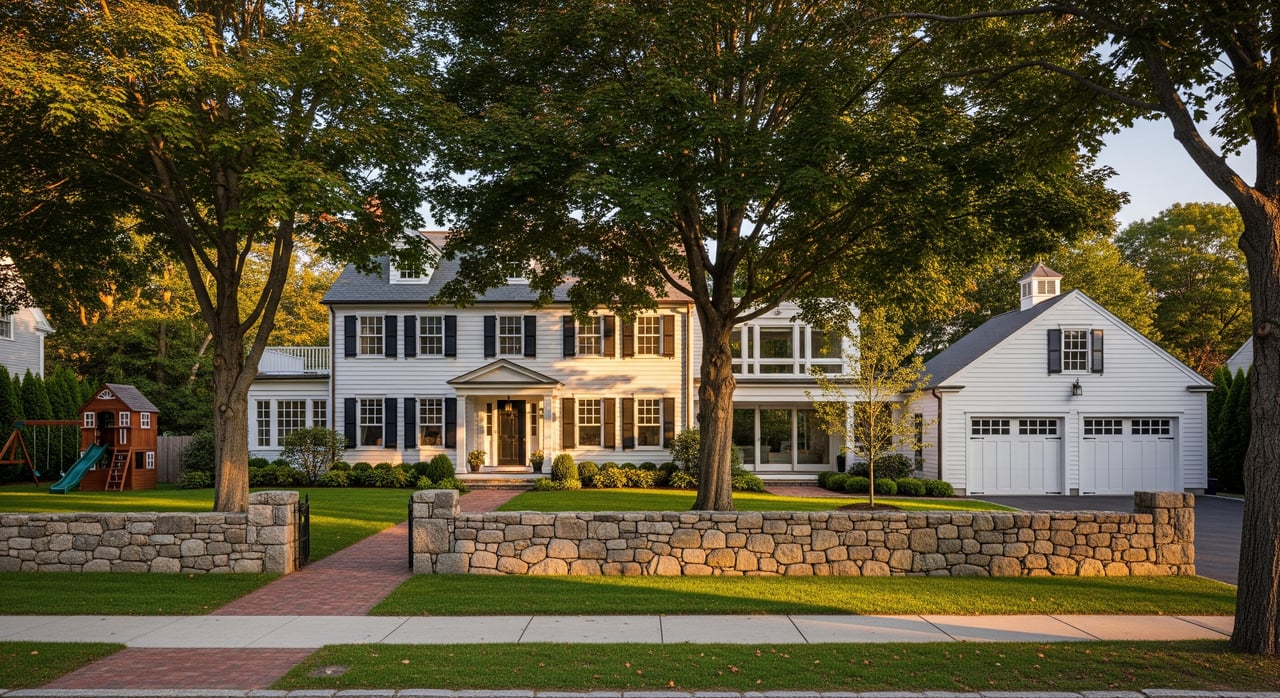
Concord blends historic village blocks, rail-oriented streets near West Concord, river and pond neighborhoods, and quieter areas with larger lots. If walkability matters, spend time on foot in both Concord Center and West Concord to see which scene feels right for you. If you need a specific commute, test the route at your typical hours and compare train versus driving. When you are ready to explore homes, a local advisor can help you focus on neighborhoods that match your routines.
Ready to talk through neighborhoods, timing, and a plan tailored to you? Reach out to Suzie Winchester for a personal market consultation and a clear, step-by-step path to your move.
Stay up to date on the latest real estate trends.
Get assistance in determining current property value, crafting a competitive offer, writing and negotiating a contract, and much more. Contact me today.