A Practical Guide to Lexington MA Home Styles
June 4, 2026
June 4, 2026
If you are house hunting in Lexington, one thing becomes clear fast: home style is not just about looks. In this market, style often hints at how a home lives day to day, how much upkeep you may face, and where it may fall in your budget. If you want to compare Lexington homes with more confidence, this guide will help you understand the most common styles and what they can mean for you. Let’s dive in.
Lexington has a housing market that is heavily shaped by single-family homes. According to the town’s housing inventory, detached one-unit homes make up 76.6% of all dwelling units, and single-family housing rises to 83.1% when attached one-unit homes are included.
That matters because many buyers coming from nearby communities may notice a stronger detached-home focus here. Lexington also has a wide mix of housing ages, with 22% of structures built before 1940, 24% built from 1940 to 1959, 23% built from 1960 to 1979, and 18% built in 2000 or later.
In other words, when you tour homes in Lexington, you are often comparing very different eras of construction. A house labeled Colonial, Cape, or Contemporary may reflect not only a design style, but also a different maintenance profile, layout, and renovation history.
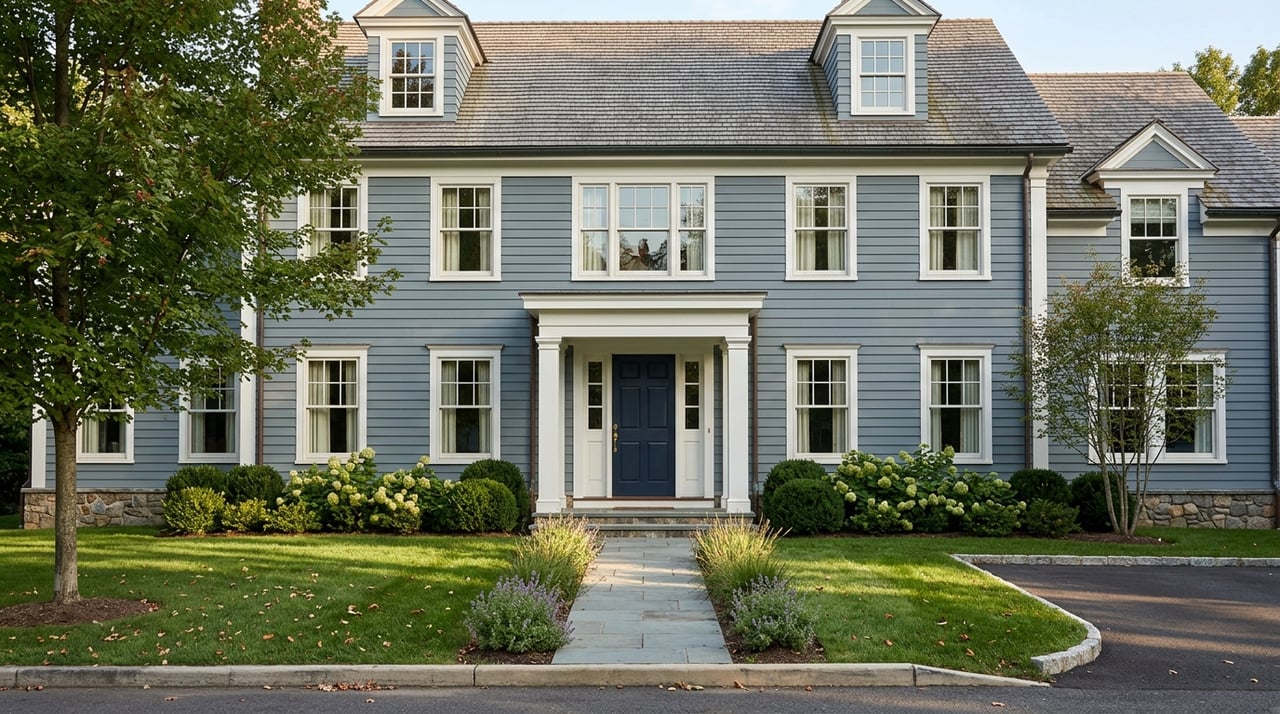
Colonials are one of the most recognizable home styles in Lexington. The town’s assessor guide describes Traditional or Garrison Colonials as two-plus-story homes with a centered entrance, symmetry, and often a second floor that overhangs the first floor at the front or rear.
You may also see Dutch Colonials in Lexington. These are a variation with a gambrel roof, which often creates more usable space on the upper level.
Colonials often feel more formal than later home styles. Rooms are commonly organized around a central hall or centered entry, which can create more separation between living areas.
If you prefer defined spaces for living, dining, work, or gathering, a Colonial may feel like a natural fit. Many buyers like the structure and privacy that this layout can offer compared with a more open floor plan.
Lexington’s early-modern and historic resources include Colonial Revival homes on streets such as Grant, Blake, Meriam, Hancock, and Eliot. The town also notes concentrations in areas like Munroe Hill, Meriam Hill, and the town center.
That does not mean every Colonial in these areas is the same. Some are older homes with original details, while others may have been expanded or significantly updated over time.
Because many Colonials are older, they may come with more exterior upkeep and system updates than a newer home. Original trim, chimneys, windows, and rooflines can be part of the charm, but they can also affect maintenance planning.
This matters even more in historic areas. In Lexington Historic Districts, the Historic Districts Commission reviews and approves construction, demolition, exterior renovations, color changes, and signs, so exterior changes may involve an extra layer of review.
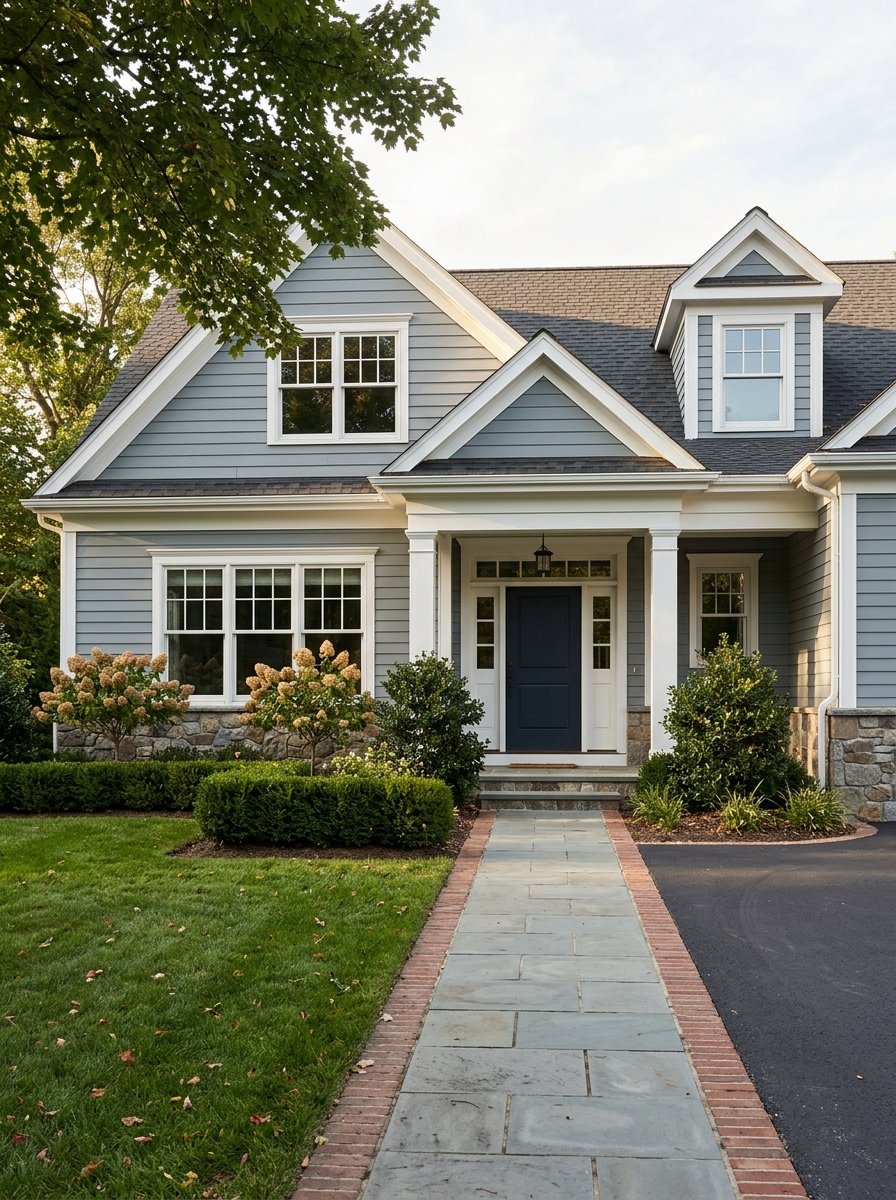
Cape Cod homes are a major part of Lexington’s postwar story. The assessor guide describes them as side-gabled, one- to one-and-a-half-story houses with symmetrical facades, dormers, central or paired end chimneys, and a two-room width.
Lexington’s post-1940 survey identifies Cape Cod and Ranch-type dwellings as characteristic of the postwar boom. It points to concentrations on Revolutionary Road, Constitution Road, Paul Revere Road, nearby Massachusetts Avenue, and Wellington Estates.
Capes often appeal to buyers who want a compact and efficient detached home. They can feel manageable for daily living, and they are often seen as a practical entry point into Lexington’s single-family market.
That said, the upper level is often tucked under the roofline. So even when the square footage looks competitive on paper, headroom, storage, and dormer placement can make a big difference in how spacious the home feels.
When you tour a Cape, pay close attention to the second-floor layout. Ceiling angles, insulation, and the placement of dormers can have a big impact on comfort and function.
A simpler footprint may mean simpler exterior care in some cases, but roof condition and upstairs comfort deserve extra attention. Since so much of the living space sits directly under the roof, those details matter.
Lexington’s 2025 housing needs assessment shows that older homes generally have lower assessed values than newer ones, even though local price levels remain high. That is one reason smaller older Capes are often viewed as a common entry point for buyers who want a detached home in Lexington without focusing only on the top end of the market.
Lexington stands out for its contemporary housing stock. The town’s post-1940 survey says Lexington is fairly unique in the quality and quantity of its contemporary homes by suburban Boston standards.
The assessor guide separates Contemporary Design from Contemporary Colonial. Contemporary Design often includes large windows, open room plans, and low shed roofs, while Contemporary Colonial is a later form that may include angles, bump-outs, dormers, roof cuts, and a room over the garage.
Contemporary homes often feel lighter and more open than Colonials or Capes. They tend to emphasize windows, flow, and informal gathering spaces.
If you are looking for an open kitchen, flexible common areas, or a stronger indoor-outdoor feel, this style may stand out to you. For many buyers, the appeal is less about formality and more about light, layout, and versatility.
Some of Lexington’s most notable contemporary enclaves include Six Moon Hill, Five Fields, Peacock Farm, Middle Ridge, and the Turning Mill area. The town also identifies original Peacock Farm and Techbuilt houses as important parts of Lexington’s mid-century modern legacy.
These areas are part of what makes Lexington’s housing stock feel more architecturally varied than many buyers expect.
Contemporary designs often include more glass and lower-pitched roofs. That means roof performance, window condition, and siding details deserve close attention during your search.
In Turning Mill, Neighborhood Conservation District rules require a Certificate of Compatibility or Hardship before certain external alterations can be made. Even smaller projects may be reviewed if they are visible from a public way.
One of the more important things to know in Lexington is that style labels are not always simple. The town’s assessor manual uses categories such as Ranch, Cape Cod or Gambrel, Contemporary Design, Contemporary Colonial, Traditional or Garrison Colonial, and Dutch Colonial.
So a listing called simply Colonial may actually be a Garrison Colonial or a newer Contemporary Colonial. A home described as contemporary may be mid-century modern, or it may be a later house with contemporary features.
That is why it helps to look beyond the label. In Lexington, the better question is often: How does this house live, how old is it, and how much has it changed over time?
In Lexington, style often points to practical tradeoffs. Colonials typically offer more traditional room separation, Capes usually offer a compact footprint, and contemporary homes usually offer the most openness and natural light.
But style also overlaps with age, preservation status, and renovation flexibility. Lexington’s Historical Commission says the town has documented more than 1,400 historic resources and about 2,000 properties protected through local historic districts, which helps explain why older home styles remain so visible in the market.
If a home is in a historic district or conservation area, exterior changes may involve review. That does not make a purchase better or worse, but it does mean you should understand the rules before making long-term plans.
Budget in Lexington is shaped by more than square footage alone. The town’s 2025 housing needs assessment says the median single-family sale price reached $1.6 million in 2023, and two-thirds of single-family homes were assessed at or above $1.2 million.
The same report shows how strongly age can affect value. The median assessed value for pre-1940 homes was $948,100, while homes built from 2010 to 2019 had a median assessed value of $1,538,500, and homes built in 2020 or later were valued at more than $2 million.
These are assessed values, not sale prices, but they help explain why newer or substantially rebuilt homes often sit at the top of Lexington’s price range.
Lexington’s housing inventory also notes that many modest postwar homes have been torn down and replaced by much larger houses. Over the last two decades, new homes saw an average gross floor area increase of 258%.
That trend is important because a style name alone does not tell the full story. A Cape, Colonial, or Contemporary may be an original modest home, a major expansion, or a complete rebuild.
If you are narrowing your search, try comparing homes by four practical questions:
Those questions usually tell you more than style alone. In Lexington, you are often choosing among different combinations of layout, age, upkeep, and budget.
A Colonial may suit you if you want traditional room separation. A Cape may make sense if you value efficiency and a smaller detached home footprint. A Contemporary may be the right fit if openness, light, and flexible living space are at the top of your list.
The right choice depends on how you want to live, what level of upkeep feels comfortable, and how style fits into your long-term plans. If you want help sorting through Lexington’s housing stock, neighborhood by neighborhood and house by house, Suzie Winchester can help you compare your options with the benefit of deep local experience and thoughtful guidance.
Stay up to date on the latest real estate trends.
Get assistance in determining current property value, crafting a competitive offer, writing and negotiating a contract, and much more. Contact me today.